
February 4, 2026 //
Miso Soup Recipe

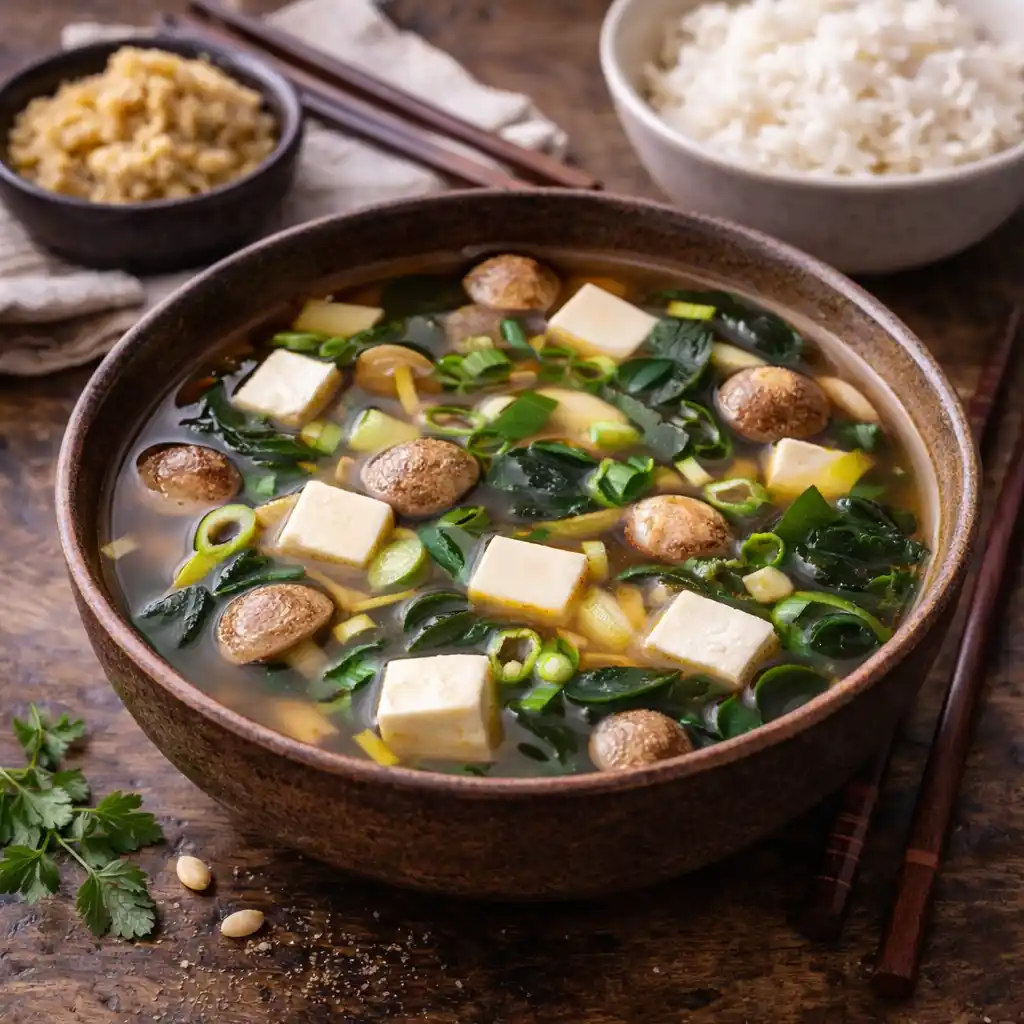
Miso soup in Japan isn't just any soup, you know? It's an everyday dish, eaten for breakfast, lunch, and dinner. It's in every home and every restaurant that's how important it is to Japanese cuisine.
And what's their secret? Well, it's miso, a fermented paste made with soybeans, rice, or barley, a little salt, and a fungus called koji. That's what gives it that special flavor, the one they call umami, which is like the fifth taste. The miso broth (called dashi) is made with kombu seaweed and dried bonito flakes. It sounds strange, but I swear it's wonderful.
And the great thing about this soup is that it's so versatile. You can add tofu, wakame seaweed, spring onions, mushrooms, potatoes, eggplant, clams, or even pork. Everyone adds their own touch. Making it at home is easy and it's incredibly comforting. It connects you with authentic, real Japanese food. So go ahead and give it a try; Grandpa Antonio says it's worth it.
Japanese Miso Soup Recipe (4 people)
Diners
4 raciones
Preparation
10m
Cooked
15m
Total Time
25m
Utensils
Miso soup ingredients
For the dashi broth (essential base):
For the soup:
Recipe steps
1
Prepare the dashi broth
Clean the kombu seaweed with a damp cloth (don't wash it under running water to avoid removing its minerals). Place the water and kombu in the pot and let it soak for 30 minutes (if you have time) to hydrate and release its flavor.
After that time, place the pot over medium heat. Just before the water comes to a boil (when small bubbles begin to form), remove the kombu and discard it. Boiling the kombu can make the broth bitter and viscous.
Bring the water to a boil and add the katsuobushi flakes. Turn off the heat and let the flakes expand and sink to the bottom, about 2-3 minutes.
Strain the broth through a fine sieve or cheesecloth to remove the bonito flakes. Your dashi is now ready. (If using dried shiitake mushrooms, you can add them along with the kombu for an even more flavorful dashi.)
2
Hydrate the wakame seaweed
While the dashi is preparing, place the dried wakame seaweed in a bowl with a little cold water. It will rehydrate in 5-10 minutes, multiplying in size. Drain it well.
3
Dissolve the miso (crucial step)
Return the dashi broth to the pot over medium-low heat. It should not boil at this point.
In a small bowl, place the miso paste. Add a couple of ladles of hot (not boiling) broth and stir with a whisk or spoon until the miso is completely dissolved and there are no lumps. This technique is called nokishita.
Pour this dissolved miso mixture back into the pot with the rest of the broth. Stir gently to combine.
4
Add the ingredients and serve.
Stir in the diced tofu and the rehydrated wakame seaweed. Heat the soup gently for 1-2 minutes, without letting it boil (boiling can alter the flavor and properties of the miso).
Serve immediately in individual bowls and garnish with chopped spring onion. Accompany with a bowl of white rice for a complete and traditional meal.
Key tips for success with the recipe
The quality of the miso matters (a lot):
Miso is the heart of the soup. There are different types: white miso (shiro miso) is milder and slightly sweet, ideal for beginners; red miso (aka miso) has a longer fermentation process and a more intense, salty flavor; mixed miso (awase miso) combines both. Choose a good quality miso and adjust it to your liking. Miso is a live probiotic, so it should never be boiled to avoid destroying its beneficial properties.
Do not boil kombu or miso:
This is the golden rule for good dashi and good miso soup. The kombu should be removed before boiling to prevent it from releasing bitter, viscous substances. The miso should be dissolved off the heat or over very low heat, and the final soup should not boil, only be gently warmed.
Always dissolve the miso in a separate bowl:
Adding miso paste directly to the pot can result in clumps that are difficult to dissolve. The correct technique is the nokishita method: dissolve the miso in a little hot (but not boiling) broth until you obtain a smooth, liquid paste, and then stir it into the rest of the soup.
Don't overload the soup with ingredients:
Traditional miso soup is a light and flavorful broth where the ingredients complement each other without competing. Choose one or two main ingredients (such as tofu and wakame) and a garnish of spring onions. Adding too many elements will disrupt the balance and prevent the miso and dashi from taking center stage.
Homemade dashi is unbeatable (but there are alternatives).
If you can, make your own dashi following the steps; it's easy and the difference in flavor is remarkable. If you don't have access to kombu and katsuobushi, you can use instant dashi granules (hondashi), which are a good substitute for a quick and acceptable result. Simply dissolve them in hot water according to the package instructions.
Your homemade Miso Soup, comforting and bursting with umami, is ready to soothe your soul and transport you to a Japanese kitchen! This simple yet profound dish proves that tradition and flavor can coexist in a single spoonful. Perfect for any time of day, especially on cold days or when you need a boost of well-being.
Did you enjoy this traditional recipe? Did you use any special ingredients like shiitake mushrooms or clams? Tell us about your experience in the comments! Share a photo of your steaming soup, your tips for perfect dashi, or if you're feeling adventurous and want to try the egg version. Spread the word about this Japanese classic to all lovers of healthy, flavorful cuisine. Meshiagare! (Enjoy your meal!)

I grew up watching the wooden spoon being moved in steaming pots, learning that good things take time and that the secret of a good dish lies in the love with which it is prepared.
Antonio Ruiz
Las Recetas del abuelo










Don't miss any recipes!
Join thousands of grandpa's recipes subscribers and receive our best recipes every week!
Leave a Reply